April 29, 2026
Uncategorized
Stress and Its Impact on Heart Health
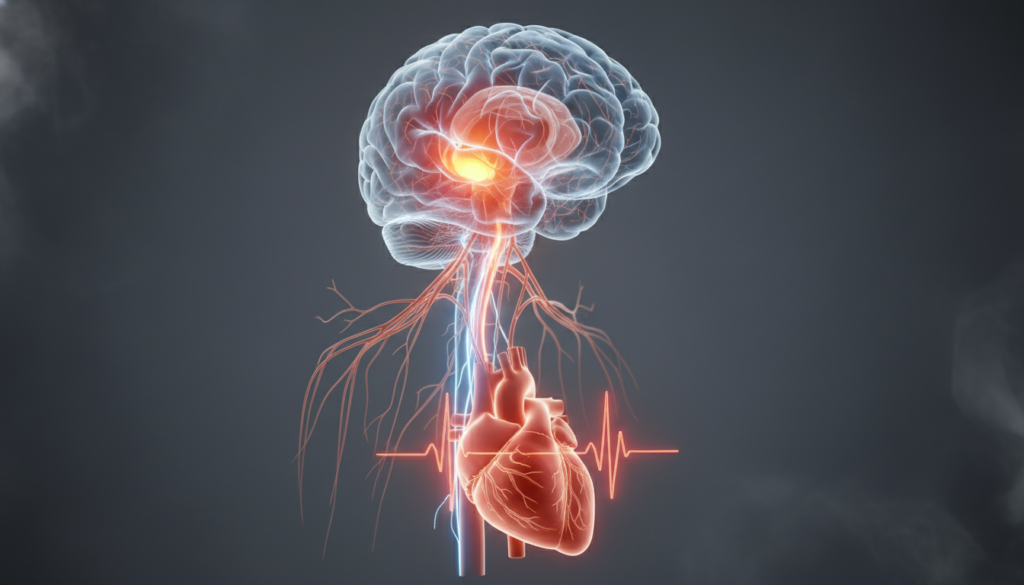
Stress and Heart Health are deeply connected, and long-term stress can silently damage your cardiovascular system. Many people think stress only affects the mind, but it also places a heavy burden on the heart. Whether caused by work pressure, financial worries, family responsibilities, or lack of sleep, unmanaged stress can increase the risk of serious heart problems.
In today’s fast-moving world, stress has become a common part of life. Occasional stress is normal, but chronic stress can create long-term health complications. Understanding the relationship between stress and your heart is the first step toward prevention and better health.
What Happens to the Body During Stress?
When you feel stressed, your body releases hormones such as adrenaline and cortisol. These hormones prepare the body for a “fight or flight” response by:
- Increasing heart rate
- Raising blood pressure
- Tightening blood vessels
- Increasing blood sugar levels
- Making breathing faster
While this response is helpful in emergencies, frequent activation can damage the heart over time.
Learn more about stress from the World Health Organization:
https://www.who.int/news-room/questions-and-answers/item/stress
1. Stress Raises Blood Pressure
One of the biggest effects of stress is temporary spikes in blood pressure. If stress becomes constant, repeated increases in blood pressure may lead to hypertension.
High blood pressure forces the heart to work harder and can damage arteries, increasing the risk of:
- Heart attack
- Stroke
- Kidney disease
- Heart failure
Read about blood pressure from the American Heart Association:
https://www.heart.org/en/health-topics/high-blood-pressure
2. Stress Increases Heart Rate
Stress can make the heart beat faster even when the body is resting. Over time, a constantly elevated heart rate may strain the cardiovascular system.
Some people may notice:
- Palpitations
- Chest discomfort
- Shortness of breath
- Fatigue
These symptoms should never be ignored.
3. Stress Encourages Unhealthy Habits
Many people cope with stress in unhealthy ways, such as:
- Smoking
- Drinking alcohol
- Overeating
- Eating junk food
- Avoiding exercise
- Poor sleep habits
These behaviors significantly increase heart disease risk.
Learn healthy lifestyle guidance from CDC:
https://www.cdc.gov/heartdisease/prevention.htm
4. Stress Can Cause Inflammation
Chronic stress increases inflammation in the body. Inflammation can damage blood vessels and contribute to plaque buildup inside arteries.
This may lead to:
- Coronary artery disease
- Blocked arteries
- Reduced blood flow
- Increased heart attack risk
5. Stress May Trigger Heart Attacks
In people with existing heart disease, severe emotional stress can trigger sudden cardiac events. Intense anger, fear, or grief can sometimes act as triggers.
Warning signs include:
- Chest pain
- Sweating
- Nausea
- Pain in arm or jaw
- Dizziness
Seek immediate medical care if these occur.
6. Stress Disturbs Sleep
Stress often causes insomnia or poor sleep quality. Lack of sleep is associated with:
- Higher blood pressure
- Weight gain
- Diabetes risk
- Irregular heartbeat
- Increased heart strain
Adults should aim for 7–9 hours of quality sleep each night.
Sleep foundation resource:
https://www.sleepfoundation.org

7. Stress Impacts Recovery After Heart Problems
People recovering from heart attack, surgery, or chronic heart disease often heal slower when stress is unmanaged. Mental health plays a major role in physical recovery.
Reducing stress helps improve:
- Blood pressure control
- Energy levels
- Medication adherence
- Motivation for exercise
- Overall heart function
Common Signs of Too Much Stress
You may be experiencing harmful stress if you notice:
- Frequent headaches
- Irritability
- Rapid heartbeat
- Anxiety
- Poor concentration
- Digestive issues
- Tiredness
- Sleep problems
Best Ways to Reduce Stress and Protect Heart Health
Exercise Regularly
Walking, yoga, cycling, or swimming for 30 minutes daily helps reduce stress hormones.
Practice Deep Breathing
Slow breathing calms the nervous system and lowers heart rate.
Eat Heart-Healthy Foods
Choose fruits, vegetables, nuts, whole grains, and lean proteins.
Stay Connected
Talking with family or friends can reduce emotional stress.
Limit Caffeine and Alcohol
Too much can worsen anxiety and disturb sleep.
Manage Time Better
Planning your day reduces pressure and overwhelm.
Seek Professional Help
If stress feels unmanageable, speak with a doctor or counselor.
When to See a Doctor
Consult a healthcare professional if stress causes:
- Frequent chest pain
- High blood pressure
- Panic attacks
- Constant fatigue
- Sleep loss
- Palpitations
Early care can prevent serious complications.
Conclusion
Stress and Heart Health should never be ignored. While stress is part of life, chronic stress can increase blood pressure, damage arteries, and raise the risk of heart disease. The good news is that healthy habits, emotional support, exercise, and timely medical care can greatly reduce the danger.
Protecting your heart starts with managing your mind. A calmer life often leads to a healthier heart.
About Us
Dr Vaggar Clinic offers expert care in cardiology and nephrology with advanced treatment and personalized patient support.
Our experienced team is dedicated to delivering compassionate, high-quality healthcare for heart and kidney conditions.
Recent Post
-
19 Oct 2026Ball Mega slot von Evolution: Spielübersicht und Funktionen
-
30 Sep 2026How to Evaluate Information on the Internet
-
18 Sep 2026How to Evaluate the Reliability of Online Information
-
10 Sep 2026Délai et limites de dépôt par virement bancaire Casinova
-
10 Sep 2026Casinolo Rapidité et Stabilité des Paris en Direct
-
10 Sep 2026Aperçu des Jeux de Table Alterspin
-
21 Aug 2026Can High Blood Pressure Damage Your Kidneys? Understanding the Heart-Kidney Connection
-
28 Jun 20267 Symptoms of High Cholesterol You Should Notice
-
 24 Jun 20265 Simple Habits to Prevent Heart Disease
 -
15 Jun 20269 Symptoms of Poor Heart Health You Must Know
Quick Links
Services
Copyright © 2026 Dr Vaggar Clinic | Developed by Natton Digital
Copyright © 2022 ASK Project