
April 29, 2026
Uncategorized
Role of ECG, ECHO, and Stress Tests in Heart Diagnosis

ECG ECHO and Stress Tests in Heart Diagnosis are among the most trusted methods doctors use to detect heart problems early, monitor heart health, and guide treatment decisions. If you experience chest pain, shortness of breath, dizziness, palpitations, or fatigue, your doctor may recommend one or more of these tests.
Heart disease often develops silently. Early diagnosis can prevent serious complications such as heart attack, heart failure, or stroke. That is why these three tests play a vital role in modern cardiology.
Why Heart Diagnostic Tests Matter
Your heart works continuously to pump blood throughout the body. Even a small issue with heart rhythm, blood flow, or pumping strength can affect your health.
Diagnostic tests help doctors:
- Detect heart disease early
- Identify blocked arteries
- Check heart rhythm problems
- Assess heart muscle strength
- Evaluate chest pain causes
- Monitor treatment progress
- Prevent future cardiac emergencies
These tests are painless or minimally invasive and offer valuable information.
1. What is an ECG Test?
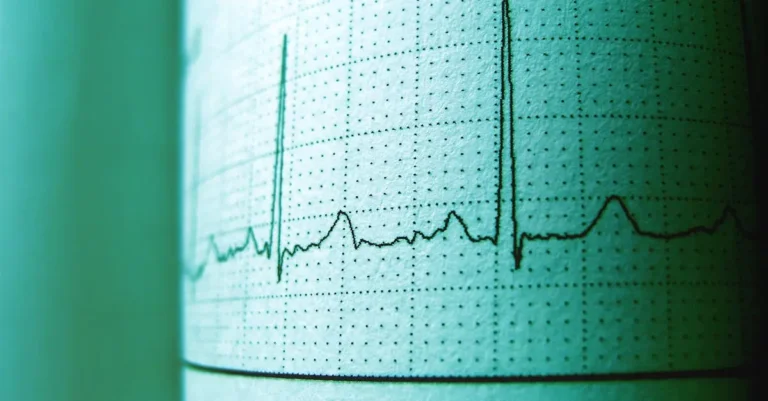
An ECG (Electrocardiogram) records the electrical activity of the heart. It is one of the fastest and most common heart tests used worldwide.
f(t)=electrical activity of the heart over timef(t)=\text{electrical activity of the heart over time}f(t)=electrical activity of the heart over time
Small sticky electrodes are placed on your chest, arms, and legs. These sensors capture signals that create wave patterns on a screen or paper.
An ECG can help detect:
- Irregular heartbeat (arrhythmia)
- Previous heart attack
- Ongoing heart attack signs
- Enlarged heart
- Poor blood flow to heart muscle
- Electrolyte imbalance
When Doctors Recommend ECG
You may need an ECG if you have:
- Chest pain
- Fast heartbeat
- Palpitations
- Breathlessness
- Dizziness
- Weakness
- Family history of heart disease
Benefits of ECG
- Quick test (5–10 minutes)
- Non-invasive
- Affordable
- Immediate results possible
2. What is an ECHO Test?
An ECHO (Echocardiogram) uses ultrasound waves to create live images of the heart. It shows the structure and movement of the heart chambers, valves, and blood flow.
Ultrasound waves→Heart images\text{Ultrasound waves} \rightarrow \text{Heart images}Ultrasound waves→Heart images
Unlike ECG, which checks electrical signals, ECHO checks the heart’s physical function.
An ECHO helps diagnose:
- Weak heart pumping function
- Valve disease
- Congenital heart defects
- Enlarged heart chambers
- Fluid around the heart
- Damage after heart attack
Types of Echocardiogram
- Transthoracic Echo (standard test)
- Stress Echo
- Doppler Echo
- Transesophageal Echo
Benefits of ECHO
- No radiation
- Safe and painless
- Real-time images
- Helps plan treatment
3. What is a Stress Test?
A Stress Test shows how your heart performs during physical activity. Exercise increases the heart’s workload, helping doctors find issues that may not appear at rest.
Usually, you walk on a treadmill or pedal a bicycle while ECG, pulse, and blood pressure are monitored.
Exercise→Higher heart workload→Reveal hidden problems\text{Exercise} \rightarrow \text{Higher heart workload} \rightarrow \text{Reveal hidden problems}Exercise→Higher heart workload→Reveal hidden problems
Stress tests help diagnose:
- Coronary artery disease
- Reduced blood flow to heart
- Exercise-induced arrhythmias
- Unexplained chest pain
- Shortness of breath during activity
Types of Stress Tests
- Exercise Stress Test
- Nuclear Stress Test
- Stress Echo
- Pharmacological Stress Test
Benefits of Stress Test
- Detects hidden blockages
- Measures exercise tolerance
- Evaluates treatment success
- Assesses surgery readiness
ECG vs ECHO vs Stress Test
| Test | Main Purpose | Duration | Detects |
|---|---|---|---|
| ECG | Electrical activity | 5–10 min | Rhythm issues, heart attack |
| ECHO | Heart structure/function | 20–45 min | Valve disease, weak heart |
| Stress Test | Heart during exercise | 30–60 min | Blockages, exertional symptoms |
Which Test is Best?
There is no single “best” test. Doctors choose based on symptoms and medical history.
- Chest pain: ECG + Stress Test
- Palpitations: ECG
- Breathlessness: ECG + ECHO
- Heart murmur: ECHO
- Blocked artery suspicion: Stress Test
Sometimes all three tests are used together for complete evaluation.
When Should You See a Cardiologist?
Visit a heart specialist if you have:
- Recurrent chest discomfort
- Fast or irregular heartbeat
- High BP with symptoms
- Diabetes with fatigue
- Family history of heart disease
- Swelling in legs
- Unexplained breathlessness
Early diagnosis saves lives.
Why Choose Dr Vaggar Hospital Vijayapura?
At Dr Vaggar Hospital, we offer advanced cardiac diagnostics with expert consultation and patient-focused care.
Our services include:
- ECG testing
- 2D Echo
- TMT / Stress Test
- Hypertension management
- Heart failure treatment
- Preventive heart screening
Our goal is accurate diagnosis and timely treatment.
Conclusion
ECG ECHO and Stress Tests in Heart Diagnosis are essential tools that help cardiologists detect heart disease early and treat it effectively. Each test serves a different purpose, and together they provide a complete picture of your heart health.
If you are experiencing symptoms or want preventive screening, consult a qualified cardiologist without delay.
- Mayo Clinic ECG Guide: https://www.mayoclinic.org/tests-procedures/ekg/about/pac-20384983
- Mayo Clinic Echocardiogram: https://www.mayoclinic.org/tests-procedures/echocardiogram/about/pac-20393856
- Mayo Clinic Stress Test: https://www.mayoclinic.org/tests-procedures/stress-test/about/pac-20385234
About Us
Dr Vaggar Clinic offers expert care in cardiology and nephrology with advanced treatment and personalized patient support.
Our experienced team is dedicated to delivering compassionate, high-quality healthcare for heart and kidney conditions.
Recent Post
-
19 Oct 2026Ball Mega slot von Evolution: Spielübersicht und Funktionen
-
30 Sep 2026How to Evaluate Information on the Internet
-
18 Sep 2026How to Evaluate the Reliability of Online Information
-
10 Sep 2026Délai et limites de dépôt par virement bancaire Casinova
-
10 Sep 2026Casinolo Rapidité et Stabilité des Paris en Direct
-
10 Sep 2026Aperçu des Jeux de Table Alterspin
-
21 Aug 2026Can High Blood Pressure Damage Your Kidneys? Understanding the Heart-Kidney Connection
-
28 Jun 20267 Symptoms of High Cholesterol You Should Notice
-
 24 Jun 20265 Simple Habits to Prevent Heart Disease
 -
15 Jun 20269 Symptoms of Poor Heart Health You Must Know

Quick Links
Services
Copyright © 2026 Dr Vaggar Clinic | Developed by Natton Digital
Copyright © 2022 ASK Project