
April 28, 2026
Uncategorized
Kidney Disease and Its Impact on Heart Health
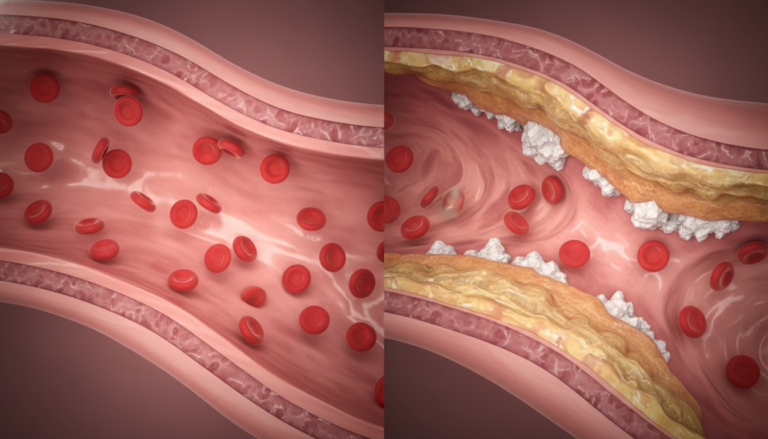
Kidney Disease Heart Health are deeply connected, and when the kidneys become weak, the heart often suffers too. Many people do not realize that kidney disease can increase blood pressure, damage blood vessels, and raise the risk of heart attacks or heart failure. Understanding this connection can help you take early action and protect both organs.
The kidneys and heart work together every day. Your kidneys filter waste, remove extra fluid, balance minerals, and help control blood pressure. Your heart pumps blood so the kidneys can function properly. When one organ becomes unhealthy, the other is placed under stress.
Why Kidney Disease Affects Heart Health
1. High Blood Pressure
Kidneys help regulate blood pressure. Damaged kidneys often lead to uncontrolled hypertension, which can weaken the heart and arteries.
2. Heart Failure
Extra fluid retention caused by kidney disease forces the heart to pump harder. This can eventually lead to heart failure.
3. Heart Attack
People with chronic kidney disease are more likely to develop blocked arteries, increasing the risk of heart attack.
4. Stroke
Poor circulation, high blood pressure, and damaged blood vessels raise stroke risk in kidney patients.
5. Irregular Heartbeat
Imbalance of minerals like potassium can disturb heart rhythm, causing arrhythmias.
6. Swelling and Fluid Overload
Kidney disease may cause swelling in legs, ankles, lungs, and abdomen, making the heart work harder.
7. Sudden Cardiac Death
Advanced kidney disease can severely affect heart rhythm and function, increasing emergency risks.
Warning Signs You Should Never Ignore
If you have kidney disease, watch for these symptoms:
- Shortness of breath
- Swelling in feet or face
- Chest discomfort
- Fast heartbeat
- Extreme fatigue
- High blood pressure
- Reduced urine output
- Nausea or poor appetite
Seek medical attention immediately if symptoms worsen.
Who Is at Higher Risk?
You may have a greater chance of kidney and heart problems if you have:
- Diabetes
- High blood pressure
- Obesity
- Smoking habit
- Family history of kidney disease
- High cholesterol
- Age above 50
- Sedentary lifestyle
How to Protect Kidney Disease Heart Health
Control Blood Pressure
Keep your blood pressure within normal range through medication, exercise, and reduced salt intake.
Manage Diabetes
High sugar damages kidneys and blood vessels. Maintain healthy glucose levels.
Eat a Kidney-Friendly Diet
Choose:
- Fresh vegetables
- Fruits (doctor advised)
- Low-salt foods
- Whole grains
- Lean protein
Avoid:
- Processed foods
- Excess salt
- Sugary drinks
- Fried foods
Stay Active
Walk, cycle, or exercise for at least 30 minutes most days.
Quit Smoking
Smoking narrows blood vessels and worsens kidney damage.
Regular Checkups
Routine tests can detect kidney disease early before heart complications develop.
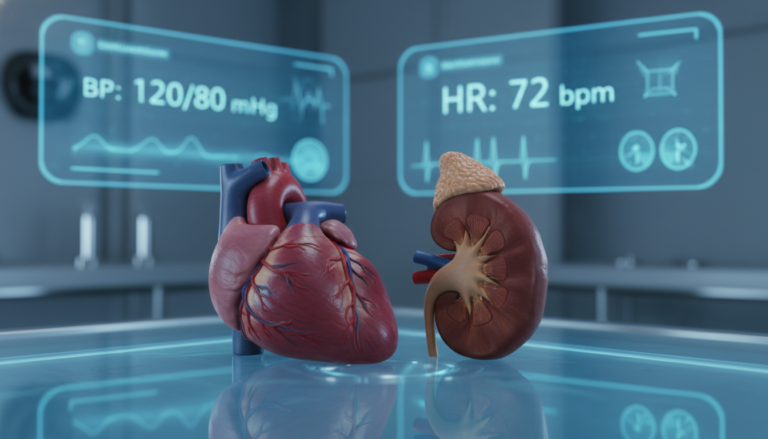
Importance of Early Diagnosis
Many kidney patients feel normal in early stages. That is why screening tests are essential:
- Blood creatinine test
- eGFR test
- Urine protein test
- Blood pressure monitoring
- ECG / Heart checkup
Early diagnosis saves lives and reduces complications.
When to See a Specialist
Consult a nephrologist or cardiologist if you experience:
- Persistent high BP
- Swelling
- Abnormal kidney reports
- Chest pain
- Breathlessness
- Diabetes with kidney issues.
National Kidney Foundation: https://www.kidney.org/
American Heart Association: https://www.heart.org/
World Health Organization: https://www.who.int/
National Institute of Diabetes and Digestive and Kidney Diseases: https://www.niddk.nih.gov/
Conclusion
The link between Kidney Disease Heart Health is serious but manageable with early care. Healthy kidneys help maintain blood pressure, fluid balance, and circulation. By managing diabetes, blood pressure, diet, and lifestyle, you can reduce risks and improve long-term wellness. If you notice symptoms, seek medical guidance quickly.
About Us
Dr Vaggar Clinic offers expert care in cardiology and nephrology with advanced treatment and personalized patient support.
Our experienced team is dedicated to delivering compassionate, high-quality healthcare for heart and kidney conditions.
Recent Post
-
19 Oct 2026Ball Mega slot von Evolution: Spielübersicht und Funktionen
-
30 Sep 2026How to Evaluate Information on the Internet
-
18 Sep 2026How to Evaluate the Reliability of Online Information
-
10 Sep 2026Délai et limites de dépôt par virement bancaire Casinova
-
10 Sep 2026Casinolo Rapidité et Stabilité des Paris en Direct
-
10 Sep 2026Aperçu des Jeux de Table Alterspin
-
21 Aug 2026Can High Blood Pressure Damage Your Kidneys? Understanding the Heart-Kidney Connection
-
28 Jun 20267 Symptoms of High Cholesterol You Should Notice
-
 24 Jun 20265 Simple Habits to Prevent Heart Disease
 -
15 Jun 20269 Symptoms of Poor Heart Health You Must Know

Quick Links
Services
Copyright © 2026 Dr Vaggar Clinic | Developed by Natton Digital
Copyright © 2022 ASK Project