
April 29, 2026
Uncategorized
How Diabetes and Blood Pressure Damage Your Kidneys
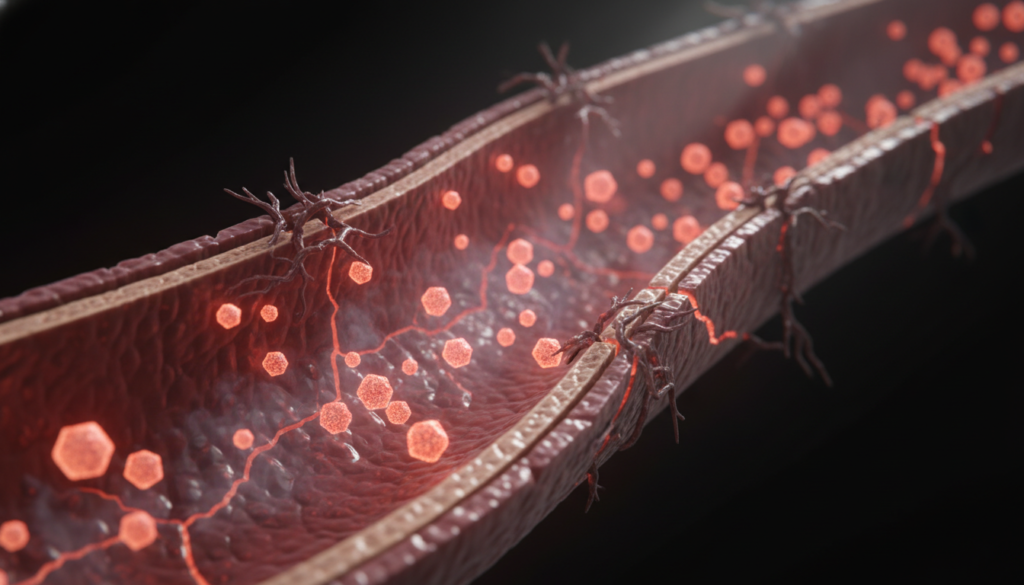
Diabetes and Blood Pressure Damage Kidneys by slowly harming the tiny blood vessels and filtering units inside the kidneys, often without early symptoms. Understanding this damage can help you prevent serious kidney disease and protect your long-term health.
Your kidneys are two bean-shaped organs that filter waste, remove extra fluid, balance minerals, and help control blood pressure. When diabetes and high blood pressure remain uncontrolled, they place continuous stress on the kidneys, leading to chronic kidney disease (CKD) or even kidney failure over time.
1. High Blood Sugar Damages Kidney Filters
Diabetes causes high levels of sugar in the blood. Over time, excess sugar damages the delicate filtering units called nephrons. These filters become weak and start leaking protein into the urine, an early sign of kidney disease.
When kidney filters are damaged, waste products begin to build up in the body. This can lead to swelling, tiredness, and poor overall health.
2. High Blood Pressure Narrows Blood Vessels
High blood pressure forces blood through the arteries with too much pressure. This can narrow, weaken, or harden the blood vessels inside the kidneys.
When blood vessels become damaged, kidneys receive less oxygen and nutrients. As a result, they cannot work efficiently and may gradually lose function.
3. Protein Leakage in Urine
Healthy kidneys keep important proteins in the bloodstream. Damaged kidneys allow protein, especially albumin, to leak into urine.
This condition is called proteinuria and is one of the earliest warning signs of kidney disease caused by diabetes or hypertension.
4. Fluid Build-Up in the Body
When kidneys lose filtering ability, they cannot remove extra salt and water properly. This causes swelling in:
- Feet
- Ankles
- Legs
- Face
- Hands
Fluid build-up can also increase blood pressure further, creating a dangerous cycle.
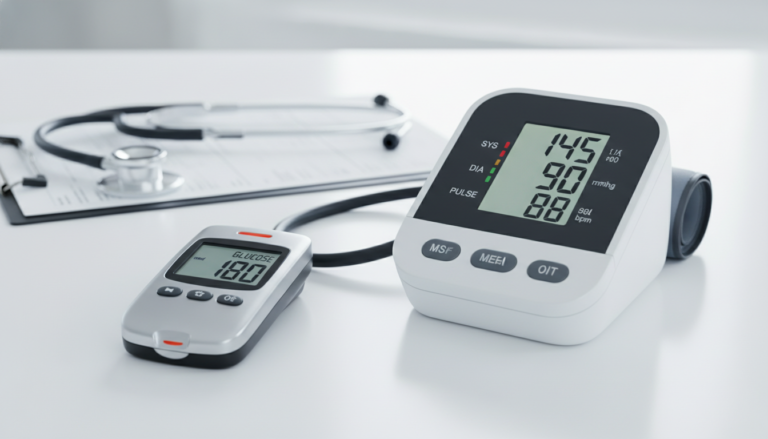
5. Increased Risk of Kidney Failure
If diabetes and blood pressure remain uncontrolled for years, kidney damage may become permanent. This can lead to kidney failure, where kidneys stop working almost completely.
At this stage, treatment may require:
- Dialysis
- Kidney transplant
- Lifelong medications
6. Higher Risk of Heart Disease
Kidney disease and heart disease are closely connected. Damaged kidneys increase the risk of:
- Heart attack
- Stroke
- Irregular heartbeat
- Heart failure
Managing kidney health also protects your heart.
7. Silent Damage Without Symptoms
One of the biggest dangers is that kidney disease often develops silently. Many people feel normal until significant kidney damage has already occurred.
That is why regular testing is essential, especially if you have diabetes or high blood pressure.
Warning Signs to Watch For
Contact a doctor if you notice:
- Swelling in legs or face
- Frequent urination at night
- Foamy urine
- Fatigue
- Loss of appetite
- Nausea
- High blood pressure
- Shortness of breath
How to Protect Your Kidneys
Control Blood Sugar
Keep diabetes under control through:
- Healthy diet
- Exercise
- Medicines or insulin
- Regular glucose monitoring
Manage Blood Pressure
Aim for the target blood pressure recommended by your doctor.
- Reduce salt intake
- Stay active
- Maintain healthy weight
- Take prescribed medicines regularly
Stay Hydrated
Drink enough water unless your doctor advises fluid restriction.
Avoid Smoking and Alcohol
These habits worsen kidney and heart disease risk.
Get Regular Tests
Important tests include:
- Urine protein test
- Serum creatinine
- eGFR kidney function test
- Blood pressure monitoring
- HbA1c for diabetes control
Best Foods for Kidney Protection
Choose:
- Fresh fruits
- Vegetables
- Whole grains
- Lean protein
- Low-salt meals
- Healthy fats
Limit:
- Sugary foods
- Processed foods
- Excess salt
- Fried foods
- Soft drinks
When to See a Specialist
Visit a kidney or heart specialist if you have:
- Diabetes for many years
- Uncontrolled blood pressure
- Family history of kidney disease
- Abnormal urine test
- Swelling or fatigue
Early treatment can slow or prevent kidney failure.
Conclusion
Diabetes and Blood Pressure Damage Kidneys gradually, but the good news is that early action can prevent severe complications. By controlling sugar levels, managing blood pressure, eating healthy, and getting regular checkups, you can protect your kidneys for life.
- National Kidney Foundation: https://www.kidney.org
- American Diabetes Association: https://diabetes.org
- World Health Organization: https://www.who.int
- National Institute of Diabetes and Digestive and Kidney Diseases: https://www.niddk.nih.gov
About Us
Dr Vaggar Clinic offers expert care in cardiology and nephrology with advanced treatment and personalized patient support.
Our experienced team is dedicated to delivering compassionate, high-quality healthcare for heart and kidney conditions.
Recent Post
-
19 Oct 2026Ball Mega slot von Evolution: Spielübersicht und Funktionen
-
30 Sep 2026How to Evaluate Information on the Internet
-
18 Sep 2026How to Evaluate the Reliability of Online Information
-
10 Sep 2026Délai et limites de dépôt par virement bancaire Casinova
-
10 Sep 2026Casinolo Rapidité et Stabilité des Paris en Direct
-
10 Sep 2026Aperçu des Jeux de Table Alterspin
-
21 Aug 2026Can High Blood Pressure Damage Your Kidneys? Understanding the Heart-Kidney Connection
-
28 Jun 20267 Symptoms of High Cholesterol You Should Notice
-
 24 Jun 20265 Simple Habits to Prevent Heart Disease
 -
15 Jun 20269 Symptoms of Poor Heart Health You Must Know

Quick Links
Services
Copyright © 2026 Dr Vaggar Clinic | Developed by Natton Digital
Copyright © 2022 ASK Project