April 28, 2026
Uncategorized
How High Blood Pressure Affects Your Heart
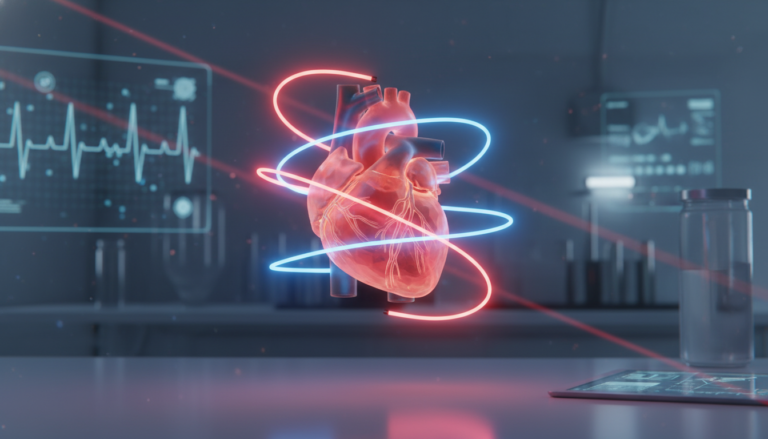
High Blood Pressure Affects Your Heart more than many people realize. Often called the “silent killer,” high blood pressure (hypertension) usually has no warning signs but can slowly damage your heart and blood vessels over time. If left untreated, it increases the risk of heart disease, heart attack, stroke, and heart failure.
Understanding how hypertension impacts your heart can help you take action early and protect your long-term health.
What Is High Blood Pressure?
Blood pressure is the force of blood pushing against artery walls. When this pressure remains consistently high, it forces the heart to work harder than normal.
A healthy blood pressure level is generally around 120/80 mmHg. Repeated readings above normal may indicate hypertension.
7 Ways High Blood Pressure Affects Your Heart
1. Makes the Heart Work Harder
When arteries become narrow or stiff, the heart must pump with more force to circulate blood. This extra workload strains the heart muscle over time.
2. Causes Thickening of Heart Muscle
The left ventricle, the heart’s main pumping chamber, can become thicker due to constant pressure. This condition is called left ventricular hypertrophy (LVH).
A thickened heart muscle may become stiff and less efficient.
3. Leads to Heart Failure
Over time, an overworked heart can weaken and lose its ability to pump blood properly. This can result in heart failure, causing fatigue, swelling, and breathlessness.
4. Damages Arteries
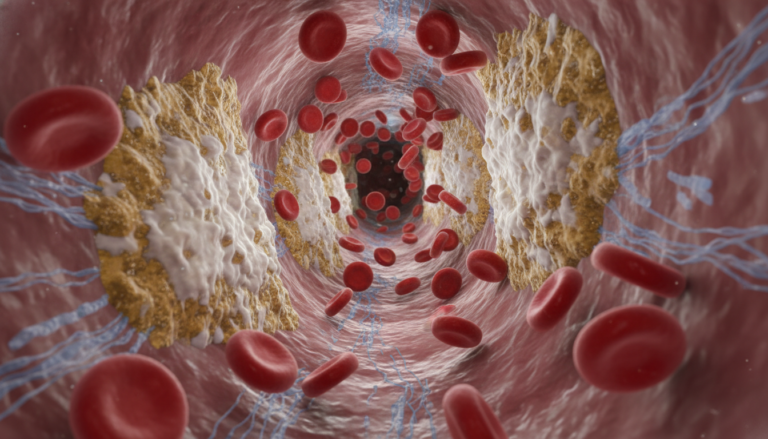
High blood pressure harms the inner lining of arteries, making them more prone to plaque buildup (atherosclerosis). This reduces blood flow to the heart.
5. Increases Risk of Heart Attack
Blocked arteries can cut off oxygen supply to heart muscles, leading to a heart attack. Hypertension is one of the top risk factors for cardiovascular disease.
6. Causes Irregular Heartbeat
Long-term high blood pressure can trigger abnormal heart rhythms such as atrial fibrillation. Irregular heartbeats may cause palpitations, dizziness, or stroke risk.
7. Raises Risk of Sudden Cardiac Events
Uncontrolled blood pressure significantly raises the chances of serious emergencies such as stroke, heart attack, or sudden cardiac arrest.
Common Symptoms to Watch For
Many people have no symptoms, but severe or uncontrolled hypertension may cause:
- Headaches
- Chest pain
- Shortness of breath
- Fatigue
- Dizziness
- Palpitations
- Swelling in legs
If symptoms are severe, seek urgent medical care.
How to Protect Your Heart
1. Check Blood Pressure Regularly
Regular monitoring helps detect hypertension early.
2. Reduce Salt Intake
Choose fresh foods and limit processed foods.
3. Exercise Often
Aim for at least 30 minutes of activity most days.
4. Maintain Healthy Weight
Losing even small amounts of weight can lower blood pressure.
5. Quit Smoking
Smoking damages blood vessels and increases heart risk.
6. Manage Stress
Yoga, meditation, and quality sleep help.
7. Take Prescribed Medicines
Follow your doctor’s advice consistently.
When to See a Doctor
Consult a doctor if:
- Your BP is repeatedly above 140/90
- You have chest discomfort
- Breathlessness occurs
- Family history of heart disease exists
- You have diabetes or kidney disease
Expert Heart Care in Vijayapura
If you are concerned about hypertension or heart health, visit Dr Vaggar Hospital, Vijayapura for expert diagnosis and treatment.
Services Include:
- ECG
- 2D Echo
- Hypertension Management
- Heart Failure Care
- Preventive Cardiology
Conclusion
High Blood Pressure Affects Your Heart silently but seriously. The good news is that with early diagnosis, healthy habits, and proper treatment, you can control blood pressure and protect your heart for years to come.
- American Heart Association – High Blood Pressure: High Blood Pressure Guide
- Understanding Blood Pressure Readings: Blood Pressure Numbers Explained
- WHO Hypertension Facts: WHO Hypertension Overview
About Us
Dr Vaggar Clinic offers expert care in cardiology and nephrology with advanced treatment and personalized patient support.
Our experienced team is dedicated to delivering compassionate, high-quality healthcare for heart and kidney conditions.
Recent Post
-
19 Oct 2026Ball Mega slot von Evolution: Spielübersicht und Funktionen
-
30 Sep 2026How to Evaluate Information on the Internet
-
18 Sep 2026How to Evaluate the Reliability of Online Information
-
10 Sep 2026Délai et limites de dépôt par virement bancaire Casinova
-
10 Sep 2026Casinolo Rapidité et Stabilité des Paris en Direct
-
10 Sep 2026Aperçu des Jeux de Table Alterspin
-
21 Aug 2026Can High Blood Pressure Damage Your Kidneys? Understanding the Heart-Kidney Connection
-
28 Jun 20267 Symptoms of High Cholesterol You Should Notice
-
 24 Jun 20265 Simple Habits to Prevent Heart Disease
 -
15 Jun 20269 Symptoms of Poor Heart Health You Must Know
Quick Links
Services
Copyright © 2026 Dr Vaggar Clinic | Developed by Natton Digital
Copyright © 2022 ASK Project