June 28, 2026
Uncategorized
7 Symptoms of High Cholesterol You Should Notice
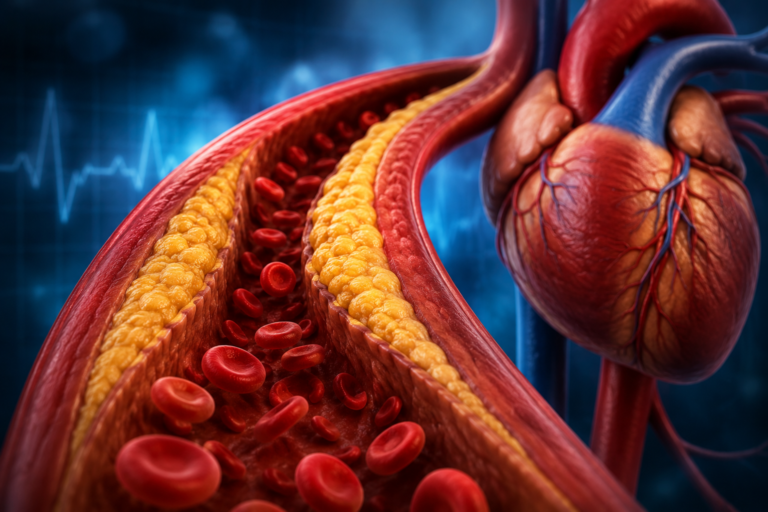
Symptoms of High Cholesterol are often difficult to recognize because high cholesterol usually develops silently without causing noticeable problems in its early stages. Many people only discover they have high cholesterol during a routine blood test or after experiencing a serious health issue such as a heart attack or stroke. Knowing the warning signs and understanding the risk factors can help you take action before complications occur.
High cholesterol is one of the leading risk factors for cardiovascular disease worldwide. Cholesterol is a waxy, fat-like substance found in your blood. Your body needs cholesterol to build healthy cells, produce hormones, and make vitamin D. However, when cholesterol levels become too high—especially low-density lipoprotein (LDL), often called “bad cholesterol”—it can accumulate inside your arteries, reducing blood flow and increasing the risk of heart disease.
What Is High Cholesterol?
Cholesterol travels through the bloodstream in lipoproteins:
- Low-Density Lipoprotein (LDL): Known as bad cholesterol because it contributes to plaque buildup in arteries.
- High-Density Lipoprotein (HDL): Known as good cholesterol because it helps remove excess cholesterol from the bloodstream.
- Triglycerides: A type of fat in the blood that also increases heart disease risk when elevated.
Healthy cholesterol levels help your body function normally, while unhealthy levels increase the risk of cardiovascular disease.
Learn more:
American Heart Association – Cholesterol Information:
https://www.heart.org/en/health-topics/cholesterol
Why High Cholesterol Is Called the "Silent Killer"
Unlike many medical conditions, high cholesterol rarely produces obvious symptoms until it has already damaged your blood vessels. Plaque slowly builds up over many years, narrowing arteries and restricting blood flow.
As arteries become blocked, symptoms may appear because organs are not receiving enough oxygen-rich blood.
7 Symptoms of High Cholesterol You Should Notice
1. Chest Pain (Angina)
One of the most serious warning signs is chest pain.
When cholesterol blocks the coronary arteries, the heart receives less oxygen, causing:
- Tightness in the chest
- Pressure
- Burning sensation
- Pain during physical activity
Chest pain should always be evaluated by a healthcare professional.
2. Leg Pain While Walking
Blocked arteries in the legs reduce blood flow.
Symptoms include:
- Leg cramps
- Calf pain
- Pain while walking
- Relief after resting
This condition is called peripheral artery disease (PAD).
Learn more from the National Heart, Lung, and Blood Institute:
https://www.nhlbi.nih.gov/health/high-blood-cholesterol
3. Yellow Deposits Around the Eyes (Xanthelasma)
Some people develop yellowish cholesterol deposits around their eyelids.
These painless deposits may indicate inherited or long-standing high cholesterol.
Although harmless themselves, they should prompt cholesterol testing.
4. Shortness of Breath
When narrowed arteries reduce blood supply to the heart, everyday activities may become difficult.
Symptoms include:
- Difficulty climbing stairs
- Fatigue
- Breathlessness
- Reduced exercise tolerance
5. High Blood Pressure
High cholesterol and high blood pressure often occur together.
As plaque narrows arteries, blood pressure increases because the heart must pump harder.
Many people have both conditions without realizing it.
6. Stroke Warning Signs
Blocked blood vessels supplying the brain may cause:
- Sudden weakness
- Difficulty speaking
- Vision changes
- Facial drooping
- Loss of balance
These symptoms require immediate emergency medical attention.
7. Heart Attack Symptoms
Severely blocked arteries may lead to heart attack.
Watch for:
- Chest pain
- Pain spreading to arm, jaw, shoulder, or back
- Sweating
- Nausea
- Dizziness
- Shortness of breath
Call emergency medical services immediately if these symptoms occur.
What Causes High Cholesterol?
Several factors contribute to elevated cholesterol levels:
Poor Diet
Eating excessive amounts of:
- Fried foods
- Processed snacks
- Fast food
- Sugary drinks
- Saturated fats
- Trans fats
can increase LDL cholesterol.
Lack of Physical Activity
Inactive lifestyles lower HDL (good cholesterol) while increasing LDL.
Adults should aim for at least 150 minutes of moderate exercise each week.
Smoking
Smoking damages blood vessels and lowers protective HDL cholesterol.
Obesity
Excess body weight increases:
- LDL cholesterol
- Triglycerides
- Blood pressure
- Diabetes risk
Diabetes
Poorly controlled diabetes commonly causes unhealthy cholesterol levels.
Family History
Inherited conditions such as familial hypercholesterolemia can cause very high cholesterol even in healthy individuals.
Risk Factors
You may have a higher risk if you:
- Are over 40
- Smoke
- Have diabetes
- Have high blood pressure
- Are overweight
- Eat unhealthy foods
- Exercise very little
- Have a family history of heart disease
How Is High Cholesterol Diagnosed?
Doctors diagnose cholesterol using a lipid profile blood test.
This test measures:
- Total cholesterol
- LDL cholesterol
- HDL cholesterol
- Triglycerides
Most healthy adults should have their cholesterol checked every 4–6 years, or more often if they have additional risk factors.
Learn about cholesterol testing from the Centers for Disease Control and Prevention (CDC):
https://www.cdc.gov/cholesterol/
How to Lower High Cholesterol Naturally
Eat a Heart-Healthy Diet
Choose:
- Oats
- Fruits
- Vegetables
- Beans
- Whole grains
- Nuts
- Seeds
- Fish rich in omega-3 fatty acids
Limit:
- Fried foods
- Butter
- Red meat
- Processed meats
- Sugary desserts
Exercise Regularly
Aim for:
- Brisk walking
- Cycling
- Swimming
- Jogging
- Strength training
Regular activity raises HDL cholesterol and lowers LDL cholesterol.
Maintain a Healthy Weight
Even losing 5–10% of body weight can significantly improve cholesterol levels.
Quit Smoking
Stopping smoking improves HDL cholesterol within weeks and reduces cardiovascular risk.
Limit Alcohol
Excessive alcohol intake increases triglycerides and contributes to weight gain.
Take Prescribed Medication
If lifestyle changes are not enough, your doctor may recommend cholesterol-lowering medications such as statins. Take them exactly as prescribed.
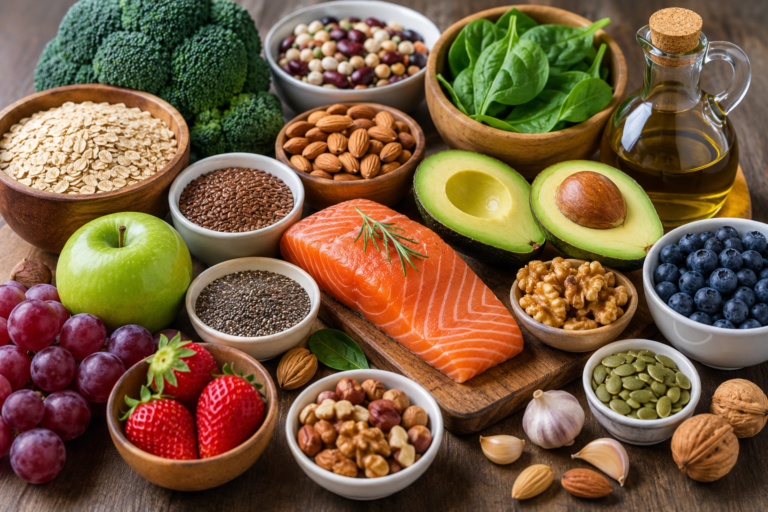
Foods That Help Lower Cholesterol
Include these foods regularly:
- Oats
- Barley
- Apples
- Berries
- Avocados
- Almonds
- Walnuts
- Flaxseeds
- Chia seeds
- Olive oil
- Fatty fish like salmon and sardines
- Leafy green vegetables
When Should You See a Doctor?
Schedule a medical evaluation if you:
- Have chest pain
- Experience shortness of breath
- Have a family history of high cholesterol
- Have diabetes or high blood pressure
- Are overweight
- Have not had your cholesterol checked in several years
Regular screening is essential because high cholesterol often has no symptoms until serious complications develop.
Final Thoughts
Symptoms of High Cholesterol may not appear until significant damage has occurred, making routine cholesterol screening one of the most important steps in protecting your heart. By adopting a healthy lifestyle, staying physically active, eating a balanced diet, and following your healthcare provider’s advice, you can lower your cholesterol levels and reduce your risk of heart attack, stroke, and other cardiovascular diseases.
Early detection and consistent management are the keys to maintaining lifelong heart health.
About Us
Dr Vaggar Clinic offers expert care in cardiology and nephrology with advanced treatment and personalized patient support.
Our experienced team is dedicated to delivering compassionate, high-quality healthcare for heart and kidney conditions.
Quick Links
Services
Copyright © 2026 Dr Vaggar Clinic | Developed by Natton Digital
Copyright © 2022 ASK Project