April 28, 2026
Uncategorized
Difference Between Heart Attack and Cardiac Arrest
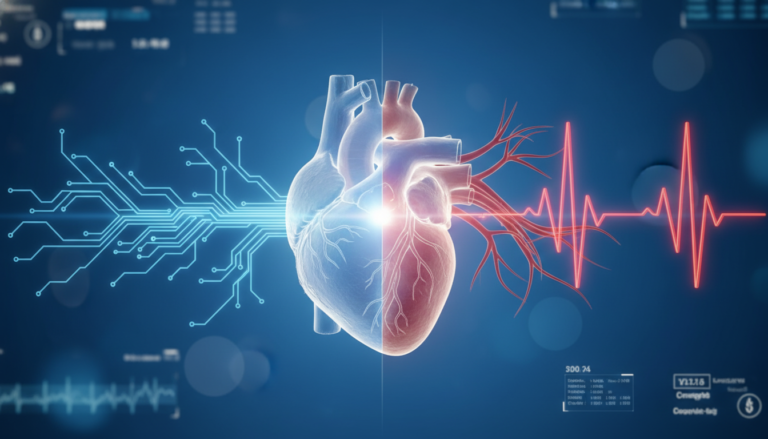
Difference Between Heart Attack and Cardiac Arrest is important to understand because both are medical emergencies, but they are not the same condition. Many people use these terms interchangeably, yet they affect the body differently and need different immediate responses. Knowing the warning signs can help save a life.
Heart diseases remain one of the leading causes of death worldwide. Quick recognition and fast treatment can reduce complications and improve survival. This article explains the major differences, symptoms, causes, treatment, and prevention methods in simple language.
What is a Heart Attack?
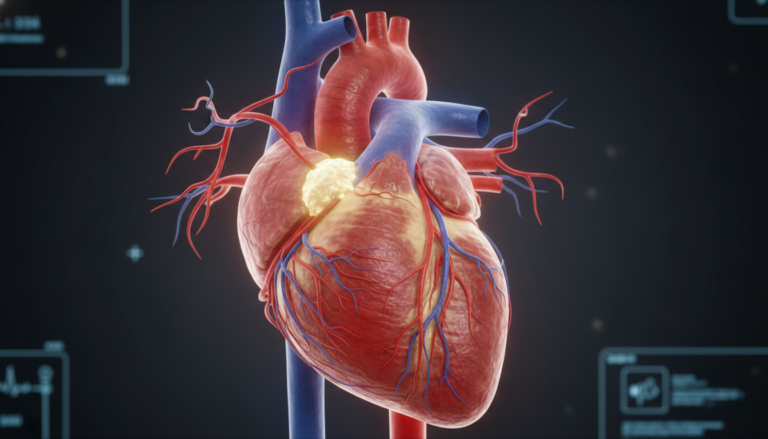
A heart attack happens when blood flow to the heart muscle gets blocked, usually because of plaque buildup in the coronary arteries. Without oxygen-rich blood, part of the heart muscle begins to get damaged.
This blockage can occur suddenly or develop over time. Immediate treatment is needed to restore blood flow and protect the heart muscle.
Common Symptoms of Heart Attack
- Chest pain or pressure
- Tightness in the chest
- Pain spreading to arm, neck, jaw, or back
- Shortness of breath
- Sweating
- Nausea or vomiting
- Dizziness
- Unusual fatigue
Some people, especially women and diabetic patients, may have mild or unusual symptoms.
What is Cardiac Arrest?
Cardiac arrest occurs when the heart suddenly stops beating effectively due to an electrical problem in the heart. Blood stops flowing to the brain, lungs, and other organs.
This condition causes sudden collapse and loss of consciousness. Without immediate CPR and defibrillation, cardiac arrest can be fatal within minutes.
Common Symptoms of Cardiac Arrest
- Sudden collapse
- No pulse
- No breathing or abnormal breathing
- Loss of consciousness
- Unresponsiveness
Sometimes warning signs may happen earlier, such as chest discomfort, weakness, or palpitations.
7 Difference Between Heart Attack and Cardiac Arrest
1. Main Cause
- Heart Attack: Blocked blood flow to the heart muscle
- Cardiac Arrest: Sudden electrical failure of the heart rhythm
2. Heart Activity
- Heart Attack: Heart usually keeps beating
- Cardiac Arrest: Heart stops pumping blood properly
3. Consciousness
- Heart Attack: Person is often awake and responsive
- Cardiac Arrest: Person becomes unconscious suddenly
4. Breathing
- Heart Attack: Breathing may be difficult but continues
- Cardiac Arrest: Breathing stops or becomes abnormal
5. Urgency
- Heart Attack: Emergency, but some time for treatment
- Cardiac Arrest: Immediate life-threatening emergency within minutes
6. Treatment
- Heart Attack: Medicines, angioplasty, stent, surgery
- Cardiac Arrest: CPR, AED shock, emergency care
7. Survival Chances
- Heart Attack: Higher survival if treated early
- Cardiac Arrest: Depends on immediate CPR and defibrillation
Can a Heart Attack Cause Cardiac Arrest?
Yes. A severe heart attack can damage the heart muscle and trigger dangerous abnormal rhythms, leading to cardiac arrest. This is why a heart attack should never be ignored.
What to Do During a Heart Attack
- Call emergency medical help immediately
- Make the person sit and stay calm
- Loosen tight clothing
- Give aspirin if advised by a doctor and no allergy exists
- Rush to the hospital quickly
What to Do During Cardiac Arrest
- Call emergency services immediately
- Start CPR right away
- Use an AED (Automated External Defibrillator) if available
- Continue CPR until medical help arrives
Learn CPR from certified sources:
https://cpr.heart.org/
Risk Factors for Both Conditions
- High blood pressure
- Diabetes
- Smoking
- High cholesterol
- Obesity
- Stress
- Lack of exercise
- Family history of heart disease
- Poor diet
Prevention Tips
Healthy Lifestyle Changes
- Eat fruits, vegetables, and whole grains
- Exercise regularly
- Quit smoking
- Limit alcohol
- Maintain healthy weight
- Manage stress
- Sleep well
Medical Checkups
Regular health screening helps detect risk factors early.
Heart health information:
https://www.heart.org/
Kidney and heart disease connection:
https://www.kidney.org/
When to See a Doctor
Seek urgent care if you experience:
- Chest pain
- Shortness of breath
- Irregular heartbeat
- Fainting
- Sudden weakness
- Family history of heart disease
Early diagnosis can prevent serious complications.
Conclusion
Understanding the Difference Between Heart Attack and Cardiac Arrest can save lives. A heart attack is a circulation problem caused by blocked blood flow, while cardiac arrest is an electrical problem where the heart suddenly stops beating properly. Both are emergencies, but cardiac arrest requires immediate CPR and defibrillation.
If you or someone near you shows symptoms, act fast and seek emergency care immediately. Early response can make all the difference.
About Us
Dr Vaggar Clinic offers expert care in cardiology and nephrology with advanced treatment and personalized patient support.
Our experienced team is dedicated to delivering compassionate, high-quality healthcare for heart and kidney conditions.
Recent Post
-
19 Oct 2026Ball Mega slot von Evolution: Spielübersicht und Funktionen
-
30 Sep 2026How to Evaluate Information on the Internet
-
18 Sep 2026How to Evaluate the Reliability of Online Information
-
10 Sep 2026Délai et limites de dépôt par virement bancaire Casinova
-
10 Sep 2026Casinolo Rapidité et Stabilité des Paris en Direct
-
10 Sep 2026Aperçu des Jeux de Table Alterspin
-
21 Aug 2026Can High Blood Pressure Damage Your Kidneys? Understanding the Heart-Kidney Connection
-
28 Jun 20267 Symptoms of High Cholesterol You Should Notice
-
 24 Jun 20265 Simple Habits to Prevent Heart Disease
 -
15 Jun 20269 Symptoms of Poor Heart Health You Must Know

Quick Links
Services
Copyright © 2026 Dr Vaggar Clinic | Developed by Natton Digital
Copyright © 2022 ASK Project