May 27, 2026
Uncategorized
How Regular Health Screenings Protect Your Heart
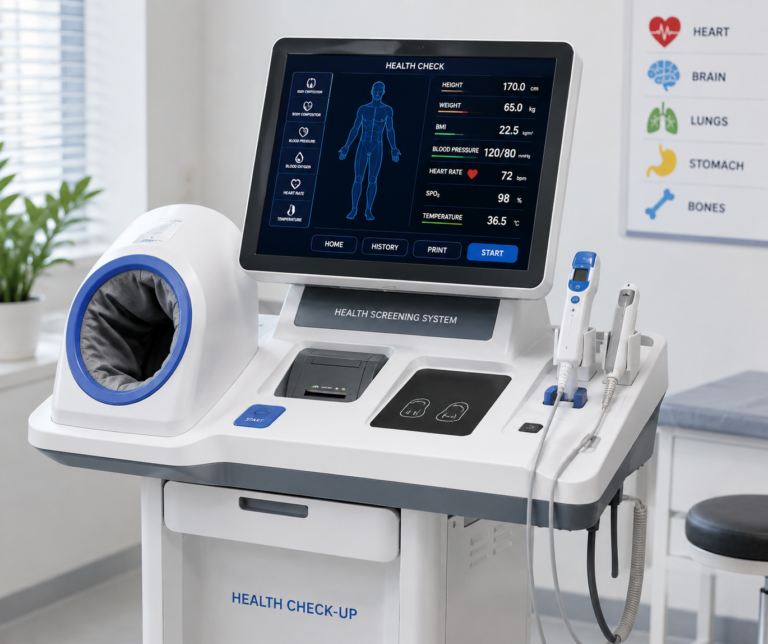
Regular Health Screenings Protect Your Heart by helping doctors detect hidden health problems before they become dangerous. Many heart conditions develop silently without noticeable symptoms, which is why preventive screenings are essential for maintaining long-term cardiovascular health.
Heart disease remains one of the leading causes of death worldwide. However, many heart-related complications can be prevented through early diagnosis, lifestyle changes, and proper medical care. Regular screenings help monitor important health markers such as blood pressure, cholesterol, blood sugar, weight, and heart rhythm.
By identifying risk factors early, health screenings allow people to take action before severe heart damage occurs.
Why Preventive Heart Care Matters
Many people only visit a doctor after experiencing symptoms like chest pain or shortness of breath. Unfortunately, heart disease often progresses quietly for years before symptoms appear.
Preventive healthcare focuses on identifying problems early. Routine checkups can reveal:
- High blood pressure
- High cholesterol
- Diabetes
- Obesity
- Irregular heartbeat
- Poor circulation
- Artery blockage risk
According to the World Health Organization, cardiovascular diseases are the leading cause of death globally. Early screening and lifestyle changes can significantly reduce risks.
Learn more from WHO:
https://www.who.int/healthtopics/cardiovascular-diseases
1. Screenings Detect High Blood Pressure Early
High blood pressure, also called hypertension, is often known as a “silent killer” because it may not cause symptoms for years.
When blood pressure remains high for long periods, it damages:
- Blood vessels
- Arteries
- Heart muscles
- Kidneys
- Brain circulation
Regular blood pressure checks help doctors identify problems early and recommend treatment before complications develop.
Normal blood pressure monitoring guidance:
https://www.heart.org/en/health-topics/high-blood-pressure
2. Cholesterol Testing Helps Prevent Blocked Arteries
High cholesterol can cause fatty deposits to build up inside arteries. Over time, these deposits narrow blood vessels and reduce blood flow to the heart.
This increases the risk of:
- Heart attacks
- Stroke
- Coronary artery disease
A simple lipid profile test measures:
- LDL (bad cholesterol)
- HDL (good cholesterol)
- Triglycerides
- Total cholesterol
Early treatment and dietary changes can greatly improve heart health.
Learn about cholesterol from CDC:
https://www.cdc.gov/cholesterol
3. Diabetes Screening Reduces Heart Disease Risk
People with diabetes are more likely to develop heart disease because high blood sugar damages blood vessels and nerves.
Regular blood sugar testing can help identify:
- Prediabetes
- Type 2 diabetes
- Insulin resistance
Managing blood sugar early lowers the risk of heart complications.
Diabetes and heart disease information:
https://www.diabetes.org/diabetes/complications/heart-disease
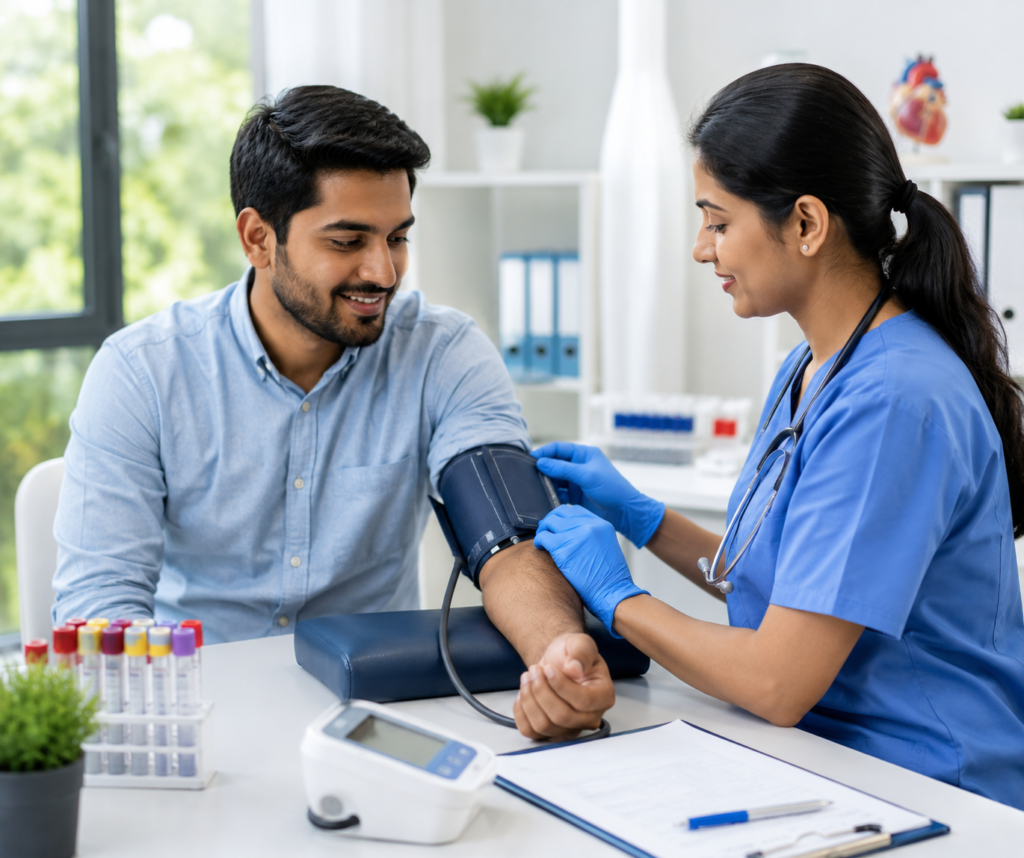
4. Heart Screenings Detect Irregular Heartbeats
Irregular heart rhythms, known as arrhythmias, can sometimes go unnoticed. An ECG or other heart tests can detect abnormal electrical activity.
Common symptoms may include:
- Palpitations
- Dizziness
- Fainting
- Fatigue
- Shortness of breath
Early detection can prevent severe complications such as stroke or heart failure.
5. Weight and Obesity Assessments Help Heart Health
Excess body weight increases strain on the heart and raises the risk of:
- High blood pressure
- Diabetes
- High cholesterol
- Sleep apnea
Routine health checkups help monitor body mass index (BMI), waist size, and overall fitness.
Doctors may recommend healthier eating habits and exercise plans based on screening results.
6. Screenings Encourage Healthy Lifestyle Changes
Many people become more motivated to improve their lifestyle after seeing screening results.
Health screenings often encourage patients to:
- Quit smoking
- Exercise regularly
- Improve diet
- Reduce stress
- Sleep better
- Limit alcohol intake
Small daily changes can significantly reduce long-term heart risks.
Healthy lifestyle guidance from the American Heart Association:
https://www.heart.org/en/healthy-living
7. Early Detection Saves Lives
One of the greatest benefits of regular screenings is early diagnosis. Detecting problems before symptoms appear allows treatment to begin sooner.
This can help prevent:
- Heart attack
- Stroke
- Kidney disease
- Heart failure
- Sudden cardiac events
Regular screenings improve treatment outcomes and may even save lives.
Important Heart Health Screenings Everyone Should Consider
Blood Pressure Check
At least once every year or more frequently if elevated.
Cholesterol Test
Every 4–6 years for healthy adults or more often if at risk.
Blood Sugar Test
Especially important for overweight individuals or those with family history.
ECG (Electrocardiogram)
Useful for detecting heart rhythm abnormalities.
BMI and Weight Monitoring
Helps assess obesity-related heart risks.
Stress Test or Echocardiogram
Recommended for people with symptoms or existing heart conditions.
Who Is at Higher Risk for Heart Disease?
You may need more frequent screenings if you have:
- Family history of heart disease
- Diabetes
- Smoking habits
- Obesity
- High blood pressure
- High cholesterol
- Chronic stress
- Sedentary lifestyle
Adults over age 40 should prioritize routine cardiovascular evaluations.
Tips to Maintain a Healthy Heart Between Screenings
Eat a Heart-Healthy Diet
Choose fruits, vegetables, nuts, whole grains, and lean proteins.
Exercise Regularly
Aim for at least 30 minutes of activity most days.
Avoid Smoking
Smoking damages arteries and increases blood pressure.
Manage Stress
Meditation, yoga, and proper sleep support heart health.
Stay Hydrated
Proper hydration supports circulation and heart function.
When Should You Schedule a Heart Screening?
You should schedule a heart checkup if you experience:
- Chest discomfort
- Shortness of breath
- Frequent fatigue
- Dizziness
- Rapid heartbeat
- High blood pressure readings
Even without symptoms, routine preventive care remains essential.
Conclusion
Regular Health Screenings Protect Your Heart by identifying hidden risks before they become serious medical problems. Early detection of high blood pressure, cholesterol, diabetes, and heart rhythm abnormalities can greatly reduce the chances of severe cardiovascular disease.
Preventive healthcare is one of the most effective ways to protect your long-term well-being. Routine screenings, healthy habits, and timely medical advice can help you maintain a stronger and healthier heart for years to come.
About Us
Dr Vaggar Clinic offers expert care in cardiology and nephrology with advanced treatment and personalized patient support.
Our experienced team is dedicated to delivering compassionate, high-quality healthcare for heart and kidney conditions.

Quick Links
Services
Copyright © 2026 Dr Vaggar Clinic | Developed by Natton Digital
Copyright © 2022 ASK Project