April 28, 2026
Uncategorized
Early Symptoms of Kidney Disease Most People Ignore
Early symptoms of kidney disease are often mild, silent, and easy to ignore until the condition becomes serious. Your kidneys play a vital role in filtering waste, balancing fluids, controlling blood pressure, and supporting overall health. When they begin to fail, the body may send subtle warning signs.
Many people do not realize they have kidney disease until it reaches an advanced stage. Recognizing these symptoms early can help you seek treatment, slow disease progression, and avoid complications.
Why Kidney Health Matters
Your kidneys are two bean-shaped organs located below the rib cage. They remove toxins, regulate minerals, and help control blood pressure. If kidney function declines, waste products can build up in the blood and cause serious health issues.
Chronic Kidney Disease (CKD) affects millions of people worldwide, especially those with:
- Diabetes
- High blood pressure
- Heart disease
- Obesity
- Family history of kidney disease
- Frequent painkiller use
1. Changes in Urination
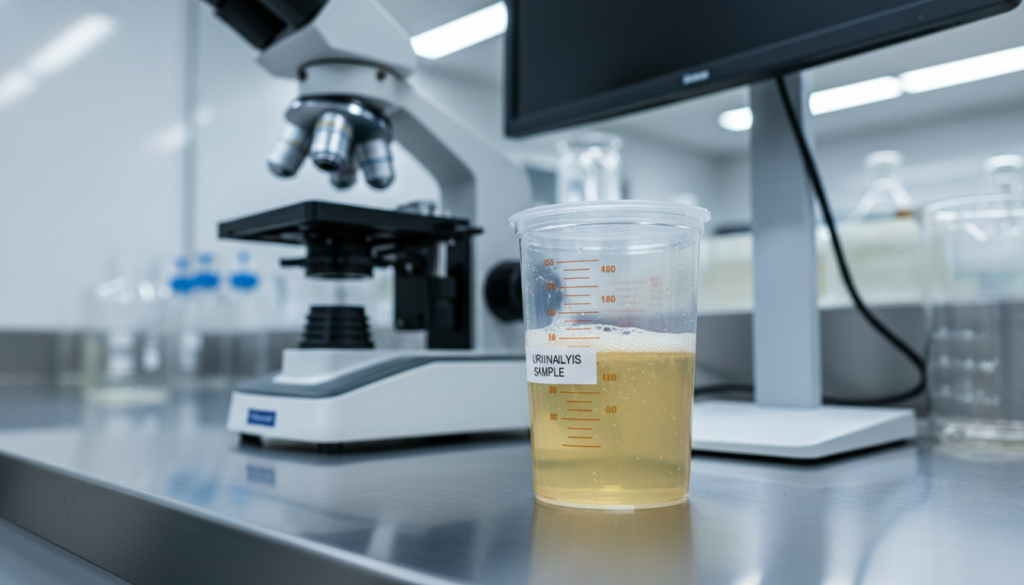
One of the first signs of kidney trouble is a change in urination habits. Since kidneys produce urine, any dysfunction may show up here first.
Watch for:
- Urinating more often, especially at night
- Foamy or bubbly urine
- Blood in urine
- Difficulty urinating
- Less urine than usual
Foamy urine may indicate protein leakage, which can be a sign of kidney damage.
2. Swelling in Feet, Ankles, or Face
When kidneys cannot remove excess sodium and fluids properly, swelling may develop.
Common areas include:
- Feet
- Ankles
- Legs
- Hands
- Around the eyes
Persistent swelling should never be ignored, especially when combined with tiredness or urine changes.
3. Constant Fatigue and Weakness
Healthy kidneys produce a hormone called erythropoietin, which helps make red blood cells. Damaged kidneys may lead to anemia, causing:
- Low energy
- Weakness
- Difficulty concentrating
- Shortness of breath
If you feel tired even after enough rest, kidney health should be checked.

4. Puffy Eyes
Puffiness around the eyes can happen when protein leaks into the urine due to damaged kidney filters.
Many people mistake this for lack of sleep or allergies, but frequent puffy eyes may signal kidney stress.
5. Dry or Itchy Skin
Kidneys help balance minerals and remove waste. When they struggle, toxins can build up and lead to:
- Dry skin
- Persistent itching
- Skin irritation
- Uncomfortable rashes
Skin symptoms can be an overlooked clue of kidney disease.
6. Loss of Appetite or Nausea
As waste accumulates in the bloodstream, digestion may be affected. This may cause:
- Metallic taste in mouth
- Poor appetite
- Nausea
- Vomiting
- Weight loss
These symptoms are more common as kidney disease worsens.
7. High Blood Pressure
High blood pressure can both cause and result from kidney disease. Damaged kidneys struggle to regulate fluid balance and hormones, leading to rising blood pressure levels.
If your blood pressure stays high despite medication, kidney screening may be needed.
Who Should Get Kidney Tests?
You should consider kidney screening if you have:
- Diabetes
- Hypertension
- Family history of kidney disease
- Recurrent kidney stones
- Heart disease
- Age above 60 years
Simple tests include:
- Blood creatinine test
- eGFR test
- Urine protein test
- Ultrasound scan
How to Protect Your Kidneys
Healthy habits can lower the risk of kidney damage:
Stay Hydrated
Drink enough water unless your doctor advises fluid restriction.
Control Blood Sugar
Diabetes is a major cause of kidney failure.
Manage Blood Pressure
Keep it within recommended levels.
Eat a Kidney-Friendly Diet
Reduce salt, processed food, and sugary drinks.
Avoid Excess Painkillers
Frequent use of NSAIDs can harm kidneys.
Exercise Regularly
Helps weight control and circulation.
When to See a Doctor
Consult a specialist if you notice:
- Swelling
- Persistent fatigue
- Foamy urine
- Blood in urine
- Frequent urination at night
- Uncontrolled blood pressure
Early treatment can slow progression and improve quality of life.
Expert Kidney Care in Vijayapura
If you are experiencing warning signs, seek timely medical advice from specialists. At Dr Vaggar Hospital, we provide advanced diagnosis and treatment for kidney disorders.
🔗 Official Website: https://drvaggarhospital.com/
🔗 Kidney Health Information: https://www.kidney.org/
🔗 World Kidney Day: https://www.worldkidneyday.org/
Conclusion
The early symptoms of kidney disease may seem small at first, but they can point to serious health issues if ignored. Paying attention to urine changes, swelling, tiredness, and appetite loss can make a major difference. Early diagnosis saves kidneys, improves health, and prevents complications.
About Us
Dr Vaggar Clinic offers expert care in cardiology and nephrology with advanced treatment and personalized patient support.
Our experienced team is dedicated to delivering compassionate, high-quality healthcare for heart and kidney conditions.

Quick Links
Services
Copyright © 2026 Dr Vaggar Clinic | Developed by Natton Digital
Copyright © 2022 ASK Project