
June 15, 2026
Uncategorized
9 Symptoms of Poor Heart Health You Must Know
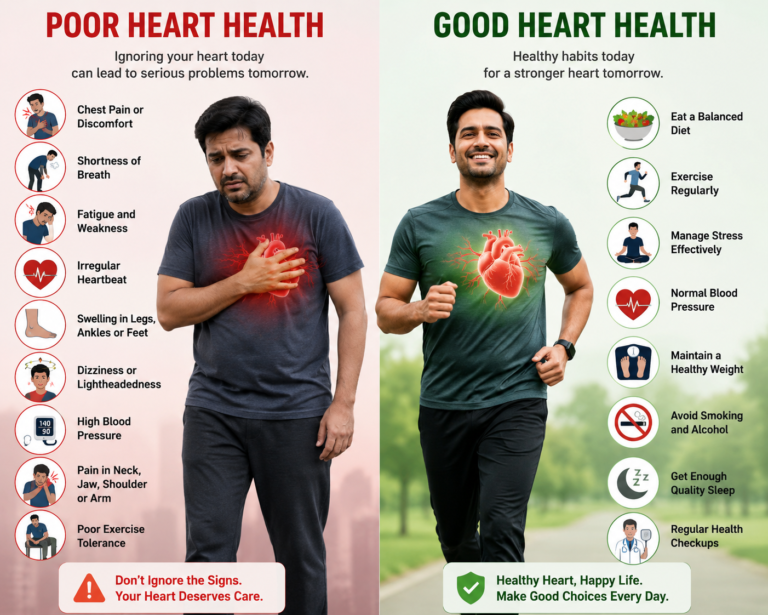
Symptoms of Poor Heart Health can often appear gradually and may be easy to dismiss as stress, aging, or temporary fatigue. However, recognizing these warning signs early can help prevent serious cardiovascular complications such as heart attacks, heart failure, and stroke. Heart disease remains one of the leading causes of death worldwide, making awareness and timely intervention crucial.
Your heart works tirelessly to pump blood, oxygen, and nutrients throughout your body. When it begins to struggle, your body often sends signals that something is wrong. Understanding these symptoms can help you seek medical attention before a minor issue becomes a major health concern.
Why Heart Health Matters
A healthy heart is essential for overall well-being. When the heart and blood vessels function properly, oxygen-rich blood reaches every organ efficiently. However, conditions such as high blood pressure, high cholesterol, diabetes, obesity, smoking, and chronic stress can increase the risk of cardiovascular disease.
According to the World Health Organization (WHO), cardiovascular diseases are the leading cause of death globally.
Reference:
https://www.who.int/health-topics/cardiovascular-diseases
1. Chest Pain or Discomfort
Chest pain is one of the most recognized symptoms of heart disease. It may feel like:
- Pressure
- Tightness
- Burning
- Squeezing
- Heaviness in the chest
Some people experience chest pain during physical activity, while others may feel it even at rest.
Although not every case of chest pain is heart-related, persistent or severe chest discomfort should never be ignored.
2. Shortness of Breath
Difficulty breathing during routine activities may indicate that the heart is struggling to pump blood effectively.
You may notice:
- Breathlessness when walking
- Difficulty climbing stairs
- Shortness of breath while lying down
- Feeling winded after mild activity
This symptom is commonly associated with heart failure and coronary artery disease.
Learn more from the American Heart Association:
https://www.heart.org
3. Unusual Fatigue
Feeling tired after a long day is normal, but persistent exhaustion without a clear reason may be a warning sign.
Heart-related fatigue often feels like:
- Constant low energy
- Weakness
- Difficulty completing daily tasks
- Increased need for rest
Women, in particular, may experience unexplained fatigue before a heart attack.
4. Irregular Heartbeat or Palpitations
Occasional skipped heartbeats are common, but frequent palpitations may indicate an underlying heart condition.
Symptoms include:
- Racing heartbeat
- Fluttering sensations
- Pounding heartbeat
- Feeling like the heart is skipping beats
Persistent irregular heart rhythms should be evaluated by a healthcare professional.
5. Swelling in the Legs, Ankles, or Feet
When the heart cannot pump blood efficiently, fluid can accumulate in the lower extremities.
Common signs include:
- Swollen ankles
- Puffy feet
- Tight-fitting shoes
- Leg heaviness
This condition is often associated with heart failure and poor circulation.
6. Dizziness or Lightheadedness
Reduced blood flow to the brain can cause:
- Dizziness
- Fainting
- Feeling unsteady
- Sudden weakness
If dizziness occurs frequently or is accompanied by chest pain or shortness of breath, seek immediate medical attention.
7. Persistent High Blood Pressure
High blood pressure often develops without noticeable symptoms, which is why it is known as a “silent killer.”
Over time, uncontrolled hypertension can:
- Damage arteries
- Strain the heart
- Increase stroke risk
- Lead to heart failure
Read more about hypertension:
https://www.cdc.gov/high-blood-pressure
8. Pain in the Neck, Jaw, Shoulder or Arm
Heart-related pain is not always limited to the chest.
Many people experience discomfort that radiates to:
- Neck
- Jaw
- Shoulders
- Upper back
- Left arm
This symptom can occur before or during a heart attack and should be taken seriously.
9. Poor Exercise Tolerance
If you find it increasingly difficult to perform physical activities that were once easy, your heart may not be functioning optimally.
Examples include:
- Difficulty walking short distances
- Becoming exhausted quickly
- Reduced stamina
- Increased recovery time after exercise
A decline in exercise capacity may indicate underlying cardiovascular disease.
Risk Factors That Increase Heart Disease Risk
Several factors contribute to poor heart health:
High Cholesterol
Excess cholesterol can build up in arteries and restrict blood flow.
Diabetes
High blood sugar damages blood vessels over time.
Smoking
Smoking significantly increases the risk of heart attack and stroke.
Obesity
Excess weight places additional strain on the heart.
Chronic Stress
Long-term stress can elevate blood pressure and increase inflammation.
Physical Inactivity
A sedentary lifestyle weakens cardiovascular health.
Learn about heart disease risk factors from the National Heart, Lung, and Blood Institute:
https://www.nhlbi.nih.gov/health/heart-disease
How to Improve Heart Health
Follow a Heart-Healthy Diet
Focus on:
- Fruits
- Vegetables
- Whole grains
- Lean proteins
- Healthy fats
Exercise Regularly
Aim for at least 150 minutes of moderate physical activity each week.
Maintain a Healthy Weight
Losing even a small amount of excess weight can improve heart function.
Quit Smoking
Smoking cessation dramatically reduces cardiovascular risk.
Manage Stress
Practice:
- Meditation
- Yoga
- Deep breathing
- Mindfulness
Get Regular Health Checkups
Routine screenings can help identify heart problems before symptoms become severe.
When Should You See a Cardiologist?
Schedule a medical evaluation if you experience:
- Chest pain
- Frequent shortness of breath
- Persistent fatigue
- Irregular heartbeat
- Swelling in the legs
- High blood pressure
- Dizziness or fainting
Early diagnosis and treatment can significantly improve outcomes and prevent complications.
Conclusion
Symptoms of Poor Heart Health should never be ignored. Chest discomfort, fatigue, shortness of breath, irregular heartbeat, swelling, and dizziness may all indicate underlying cardiovascular problems. Early recognition of these warning signs allows for timely medical intervention and can reduce the risk of heart attack, stroke, and heart failure.
Taking proactive steps such as eating a balanced diet, staying active, managing stress, and scheduling regular heart checkups can help protect your cardiovascular health and improve your quality of life.
About Us
Dr Vaggar Clinic offers expert care in cardiology and nephrology with advanced treatment and personalized patient support.
Our experienced team is dedicated to delivering compassionate, high-quality healthcare for heart and kidney conditions.
Quick Links
Services
Copyright © 2026 Dr Vaggar Clinic | Developed by Natton Digital
Copyright © 2022 ASK Project